Stop Drowning in Manual Work: SaaS Automation for Startups

Discover how startup founders are using workflow automation to scale operations without hiring. Practical strategies to eliminate bottlenecks and move faster.
You know that feeling when it's 11 PM and you're copying data from one spreadsheet into another, wondering how this became part of your job? Or when a new customer signs up and you spend forty-five minutes manually creating their account across six different tools, Stripe, HubSpot, Slack, Notion, your support desk, and that one legacy system nobody wants to touch? You built a startup to solve real problems, not to become a human middleware layer between your own software stack.
Here's the uncomfortable truth: the manual processes that feel manageable at ten customers will quietly break your company at a hundred. And the painful irony is that the faster you grow, the more these repetitive tasks compound. Every new customer triggers another cascade of manual work. Every team member onboarded means another round of tool setup, permission granting, and checklist-ticking. You start hiring not because you need strategic thinkers, but because you need bodies to keep up with the administrative weight of your own success.
This is the scaling trap that catches almost every early-stage startup, and it's exactly what SaaS workflow automation is designed to solve.
So what does workflow automation actually mean, in plain English? It means teaching your software tools to talk to each other and take action without a human in the loop. When a new user signs up, your system automatically creates their profile, sends a welcome sequence, notifies your customer success team in Slack, and logs the event in your analytics dashboard, all within seconds, all without anyone lifting a finger. When a support ticket is marked urgent, it automatically escalates, pages the right person, and creates a follow-up task. When a subscription lapses, a re-engagement sequence kicks off immediately, not whenever someone remembers to check the report.
Workflow automation connects the dots between the SaaS tools you're already paying for, turning a disconnected pile of software into something that actually functions as a coherent operating system for your business.
For startups specifically, this is the difference between scaling your revenue and scaling your headcount in lockstep. Research from McKinsey suggests that roughly 45 percent of work activities could be automated using current technology, but most early-stage companies are still doing those tasks manually, burning out their best people on work that should never have required human judgment in the first place.
This guide is for founders and operators who are ready to stop being the connective tissue in their own company. We'll walk through what startup efficiency actually looks like when automation is done right, which processes to tackle first, and how to build a system that lets you scale without hiring your way through every growth milestone. No hype, no tool vendor pitches, just a practical framework you can start applying this week.
User Onboarding Automation: How to Stop Losing Customers in the First 48 Hours
Here's an uncomfortable truth: 40-60% of SaaS trial users never return after their first session. Most of the time, it's not your product failing them, it's the silence after signup. Manual onboarding processes create gaps that cost you real customers.
If your team is still copying account details into spreadsheets, firing off welcome emails by hand, or chasing down new users to confirm setup steps, you're fighting a battle that automation already won for your competitors.
The Real Pain Points in Manual Onboarding
Manual user onboarding workflows break down in predictable ways:
- Welcome email delays: A user signs up at 11pm on a Friday. Your welcome email lands Monday morning, 60 hours later. Research from Invesp shows that response within the first hour increases conversion likelihood by 7x.
- Inconsistent account setup: When a human triggers setup steps, things get missed. Users get stuck on permissions, integrations, or missing data imports with no one to help.
- No behavior-triggered follow-up: Manual processes can't react to what a user actually does (or doesn't do). If someone skips your key activation step, nobody notices until they cancel.
- Team bottlenecks: At 50 signups a week, manual onboarding is manageable. At 500, it's a full-time job that still gets done badly.
Before and After: What Automation Actually Changes
Before automation, a typical SaaS onboarding looked like this: A new user signs up, a customer success rep gets a Slack notification, adds the user to a CRM manually, sends a templated welcome email from their personal inbox, and schedules a kickoff call, often 3-5 days after signup. By that point, the user has already explored a competitor.
After implementing a SaaS onboarding workflow, the same journey looks like this:
- Signup triggers an instant, personalized welcome email with role-specific next steps
- Account provisioning runs automatically, including workspace setup and default integrations
- Day 2: A behavioral email fires only if the user hasn't completed the activation milestone
- Day 5: A check-in sequence activates, with an embedded video walkthrough specific to their use case
- Day 7: Non-activated users get flagged automatically for a human CSM touchpoint, so your team focuses energy where it matters
The ROI of Getting This Right
- Companies with automated onboarding sequences report up to 50% higher activation rates within the first 14 days (Totango, 2023)
- Reducing time-to-value from 5 days to under 24 hours can increase trial-to-paid conversion by 20-30%
- Customer success teams save an average of 6-10 hours per week previously spent on manual onboarding tasks
- Improving early activation is one of the highest-leverage ways to reduce churn, users who hit their first success moment are 3x more likely to renew
How to Implement Onboarding Automation Without Over-Engineering It
You don't need a six-month implementation project. Start with these steps:
1. Define your activation milestone first.
What's the single action that correlates with retention? For Slack, it's sending 2,000 messages. For your product, it might be connecting an integration or completing a first workflow. Build everything around driving users to that moment.
2. Map the journey before you automate it.
Draw out every step from signup to activation on a whiteboard. Identify where users get stuck, that's where automation has the most impact.
3. Use behavior triggers, not just time triggers.
Don't just send Day 3 emails. Send emails when a user hasn't done the thing they need to do. Tools like Customer.io, Intercom, or Encharge make this straightforward to configure.
4. Keep humans in the loop for high-value accounts.
Automation handles the volume. Your CSM team handles the exceptions. Build your workflow so that enterprise signups or high-intent users automatically get a human follow-up queued.
The goal isn't to remove the human element from onboarding, it's to make sure no user falls through the cracks while you're sleeping.
How Tech Startups Can Automate Customer Support Workflows Without Losing the Human Touch
For most early-stage tech startups, customer support feels like trying to drink from a firehose. You ship a new feature on Tuesday, and by Wednesday your inbox has 200 tickets about edge cases you never anticipated. Your two-person support team is buried, response times slip past 24 hours, and the customers who needed quick answers are already posting frustrated tweets.
This is where support ticket automation stops being a luxury and becomes survival infrastructure.
The Real Pain Behind a Growing Ticket Backlog
Before exploring solutions, it helps to name what's actually breaking down. Most startup operators describe the same cluster of problems:
- Repetitive low-stakes tickets consuming senior time, password resets, billing questions, and "where is my invoice" requests land in the same queue as genuine product bugs
- No triage system, so a VIP enterprise customer waits behind a free-tier user asking how to change their profile photo
- Slow response times killing conversion, Forrester research found that 53% of customers will abandon a purchase if they can't get a quick answer, and average B2B SaaS first-response times often stretch to 17+ hours without automation
- Agent burnout on volume, not complexity, your support hire signed up to solve interesting problems, not copy-paste the same answer 40 times a day
Where Automation Actually Fits in Your Customer Support Workflow
Effective customer support workflow automation doesn't replace human judgment, it protects your team's attention so they can apply that judgment where it matters.
Auto-Routing Based on Intent and Tier
Modern helpdesks like Intercom, Zendesk, and Freshdesk let you build conditional routing rules that act the moment a ticket arrives. A practical setup for a 10-person startup might look like this:
- Tickets containing words like "cancel," "refund," or "contract" route immediately to a senior agent or account manager
- Billing questions auto-tag and route to whoever owns finance queries
- Tickets from customers on enterprise plans get priority queue status automatically based on a CRM tag sync
- New signups within their first 7 days get routed to onboarding-focused responses
This alone can cut your average first-response time by 40-60% without adding headcount.
Self-Service Triggers That Deflect Before the Ticket Is Created
The best ticket is the one that never gets submitted. Behavior-based triggers can surface help content at exactly the right moment:
- A user who visits your pricing page three times in a session gets a proactive chat message with an FAQ link
- Someone who fails a form submission twice sees an inline tooltip pulling from your knowledge base
- A user idle on a complex settings page for 90 seconds gets a contextual walkthrough prompt
Companies implementing these deflection triggers typically see 20-35% reductions in overall ticket volume within the first 90 days.
Before and After: A Realistic Scenario
Before automation: A 15-person SaaS startup receives 300 tickets per week. Two support agents manually read, categorize, and respond to each one. Average first-response time is 19 hours. Roughly 180 of those tickets are answerable with existing documentation. Agent satisfaction is low; churn on the support team is high.
After implementing support ticket automation: The same ticket volume arrives, but 110 tickets are deflected by self-service triggers before submission. Of the remaining 190, 85% are auto-routed correctly on arrival. Average first-response time drops to 4.5 hours. Agents spend their time on escalations, nuanced bugs, and relationship-sensitive conversations. One agent now handles what previously required two.
The ROI Math That Justifies the Setup Time
- Customer retention improves, HubSpot data links faster support responses to 2-7% lower monthly churn in SMB SaaS
- Support cost per ticket drops by roughly 30% when deflection and routing work correctly
- Agent capacity doubles without additional payroll, effectively buying you 6-12 months of runway before your next support hire
The setup investment is typically 15-20 hours of configuration time. Most teams recover that cost within the first month.
Deployment Automation: Ending the 2 AM Release Nightmares
If you've ever held your breath while manually SSH-ing into a production server, you know the particular dread that comes with deployment day. For many SaaS teams, shipping code is less a celebration of progress and more a carefully choreographed ritual of anxiety, crossed fingers, and Slack messages that read "who changed the config?" The good news: a properly automated DevOps workflow eliminates most of this pain entirely.
The Real Cost of Manual Deployments
Manual deployment processes aren't just stressful, they're quietly expensive. Research from Puppet's State of DevOps Report found that high-performing engineering teams deploy 208 times more frequently than low performers, with 106 times faster lead times. The gap isn't talent; it's tooling and process.
- Environment inconsistencies: The classic "works on my machine" problem bleeds into staging and production when environments are configured by hand. One missed environment variable can cascade into hours of debugging.
- Context-switching tax: Developers interrupted mid-sprint to babysit deployments lose an average of 23 minutes of focus time per interruption (per University of California research).
- Human error multiplication: Checklists get skipped under pressure. Rollback procedures that were never actually tested get invoked during real incidents.
- Deployment fear: Teams that dread releasing ship less often, which means larger batches, more risk, and even more fear. It's a compounding problem.
Building a CI/CD Pipeline That Actually Works
A well-structured CI/CD pipeline transforms deployment from a high-stakes event into a boring, repeatable process, and boring is exactly what you want in production.
- Automated testing gates: Unit, integration, and end-to-end tests run automatically on every pull request. Nothing merges without passing.
- Build standardization: Docker containers ensure your staging environment is byte-for-byte identical to production. The "works on staging" problem effectively disappears.
- Staged rollouts: Deploy to 5% of users first. Monitor error rates and latency. Automatically promote or roll back based on thresholds you define.
- Automated secrets management: Tools like HashiCorp Vault or AWS Secrets Manager inject credentials at runtime, eliminating hardcoded configs and reducing security surface area.
Tools like GitHub Actions, CircleCI, and GitLab CI make this achievable for teams of two or twenty.
Infrastructure Automation: Beyond the Pipeline
Deployment automation extends beyond code shipping. Infrastructure-as-Code (IaC) tools like Terraform and Pulumi let you define your entire cloud environment in version-controlled files. This means:
- Spinning up a new environment takes minutes, not days
- Infrastructure changes go through code review like any other change
- Disaster recovery becomes a matter of running a script, not reconstructing from memory
Before and After: A Real Scenario
Before automation: A five-person SaaS team deploys weekly. Each release takes one senior developer three hours to coordinate, staging sync, manual smoke tests, production push, monitoring check. That's roughly 150 hours per year of senior engineering time, plus an average of two incidents per month requiring 90 minutes of emergency response each.
After implementing a CI/CD pipeline: Deployments happen twelve times per week automatically. The senior developer reviews a deployment summary in ten minutes. Incidents drop to fewer than one per month due to automated testing catching regressions before production. Total engineering time reclaimed: over 120 hours annually.
The ROI of DevOps Workflow Automation
- Teams with mature deployment automation report 60% reduction in change failure rates
- Mean time to recovery (MTTR) drops from hours to minutes with automated rollbacks
- Developer satisfaction increases measurably, engineers joined your company to build products, not manage deployments
- At a fully-loaded engineering cost of $150/hour, recovering 120 hours annually represents $18,000 in direct cost savings for a single team
Deployment automation isn't an infrastructure luxury, it's the foundation that lets your team ship confidently, iterate faster, and actually sleep through the night after a release.
Startup Operations Automation: Stop Letting Admin Work Kill Your Momentum
Here's a scenario most founders know too well: it's Sunday evening, and instead of thinking about product strategy, you're copy-pasting payroll numbers from Gusto into a Google Sheet, then manually reconciling them with your QuickBooks data, then building a board report from scratch, again. This is the hidden tax of early-stage growth, and it compounds silently until it breaks something important.
Internal workflow automation isn't a luxury reserved for companies with dedicated ops teams. It's the infrastructure that lets a 10-person startup operate with the clarity of a 50-person organization.
The Real Cost of Manual Operations
The pain points in startup operations are predictable, but their cumulative damage is underestimated. Manual reporting alone consumes an average of 3-5 hours per week for early-stage founders and operators, according to research from Zapier. Multiply that across HR, finance, and executive reporting, and you're looking at a full working day lost every week to tasks that generate zero new value.
Data silos make this worse. Your headcount data lives in Rippling. Revenue metrics sit in Stripe. Support tickets are in Intercom. Burn rate calculations happen in a spreadsheet no one has updated in 11 days. When these systems don't talk to each other, decisions get made on stale information, or worse, they get delayed until someone has time to pull everything together manually.
Where Startup Operations Automation Creates the Most Leverage
Automated dashboards and reporting
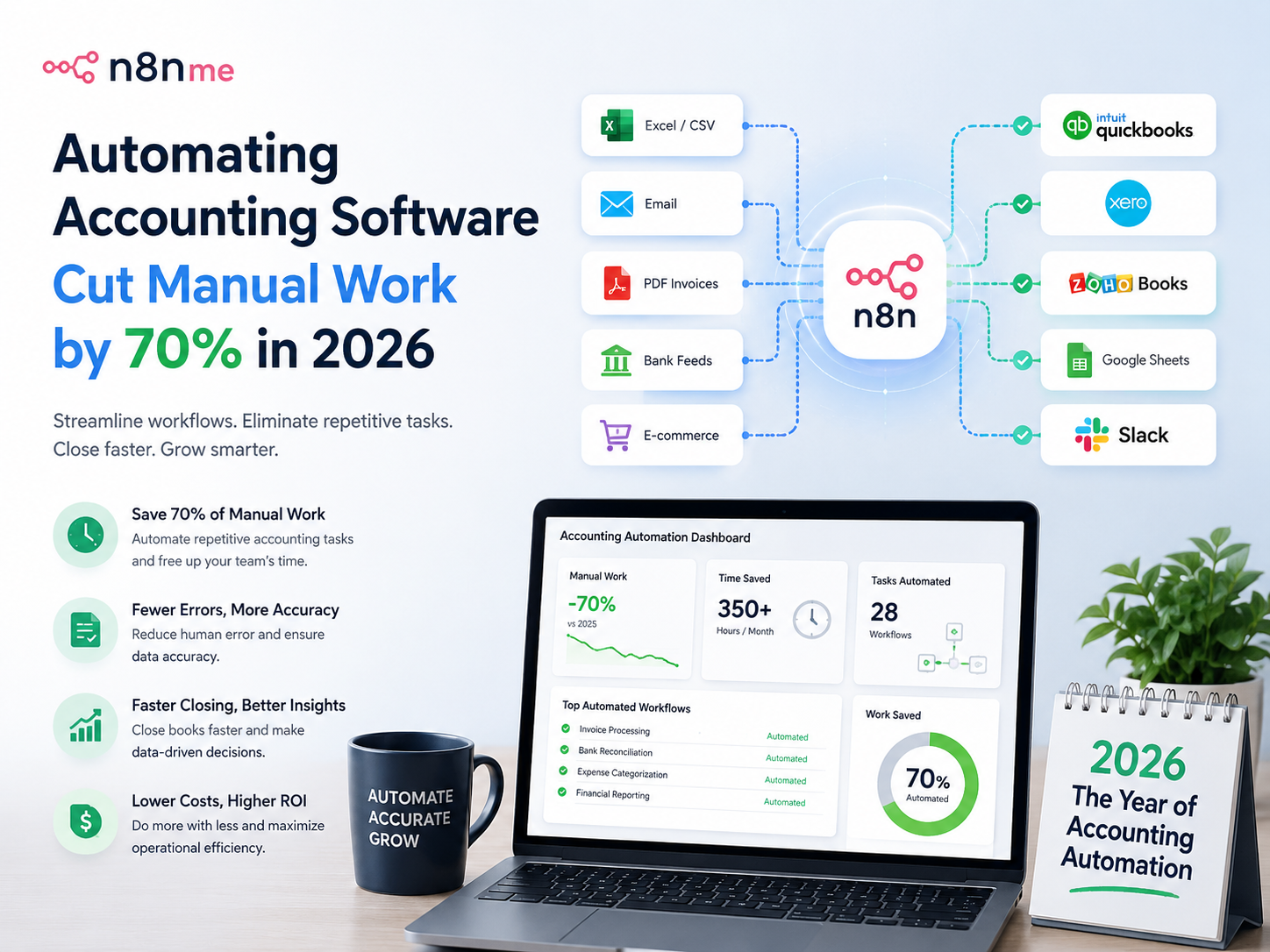
Connecting your financial tools (QuickBooks, Stripe, Mercury) to a reporting layer like Databox, Notion, or Google Looker Studio via cross-tool integration eliminates the weekly reporting ritual entirely. Your burn rate, MRR, and runway update automatically. Your Monday leadership sync starts with everyone already looking at current numbers instead of waiting for someone to share a screen.
The same principle applies to HR metrics. Integrating your HRIS with your project management tool means headcount-per-department and time-off balances are visible without anyone running a report.
Cross-tool syncing for finance and HR workflows
Approval workflows are another high-ROI target. A typical expense approval at a startup involves an email, a Slack message, a forgotten follow-up, and a frustrated employee. Automating this through tools like Ramp, Brex, or even a simple Zapier flow, where a form submission triggers a Slack approval request and logs the result in your accounting system, cuts that cycle from days to minutes.
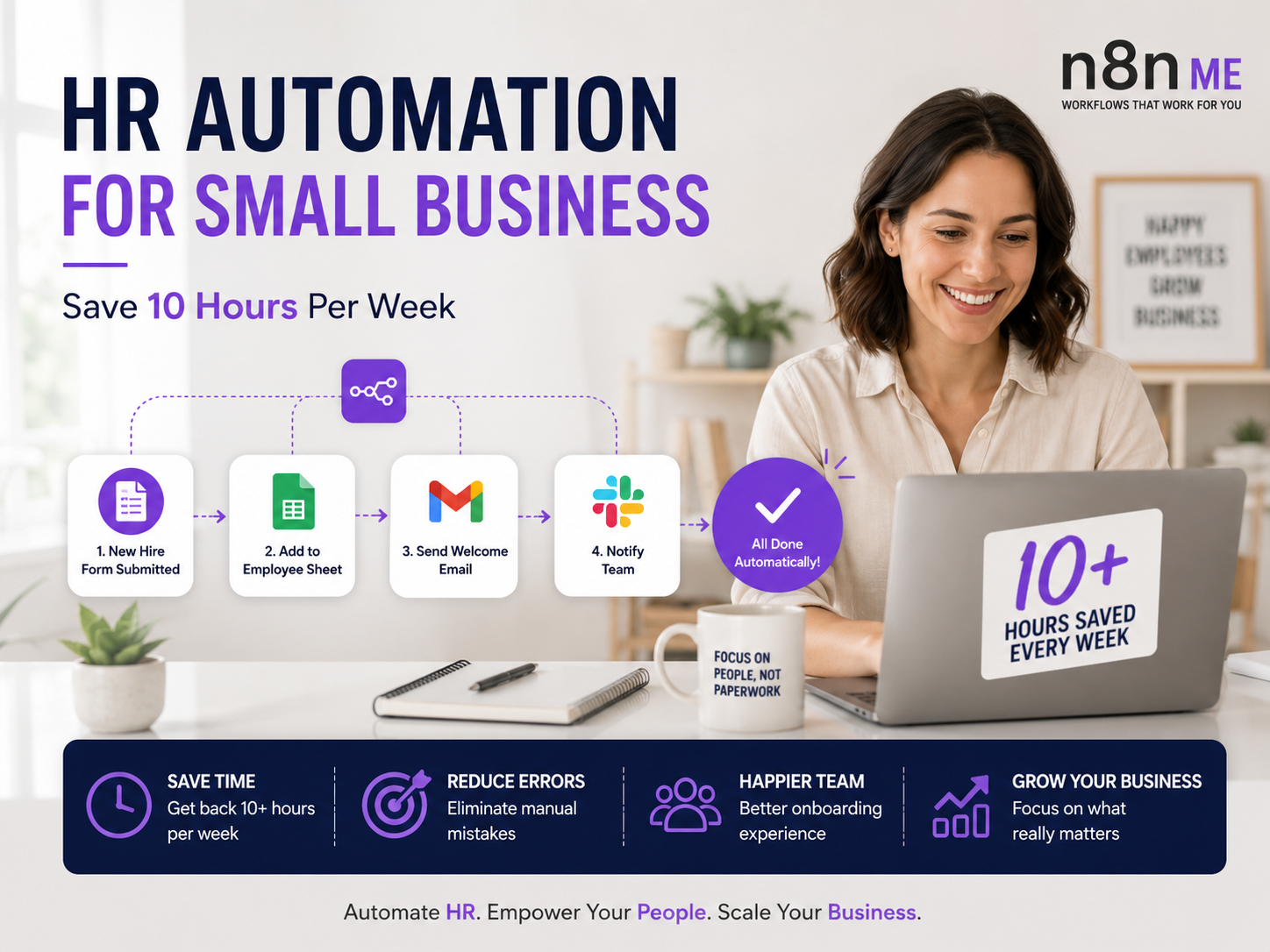
Onboarding is similarly fragmented. Cross-tool integration between your ATS (Greenhouse, Ashby), HRIS (Rippling, BambooHR), and identity management (Okta, Google Workspace) means a signed offer letter can automatically provision software access, schedule onboarding tasks, and add a new hire to payroll, without a single manual step from your ops team.
The ROI of Getting This Right
The numbers on internal workflow automation are straightforward. If an ops generalist earning $80,000 annually spends 20% of their time on manual data wrangling, that's $16,000 per year in labor cost applied to zero-leverage work. A basic automation stack, Zapier or Make, a dashboard tool, and native integrations between your core SaaS tools, typically costs $200-500 per month. The math resolves itself within the first quarter.
But the less quantifiable return matters too. When your team stops chasing data, they start making better decisions faster. Investor updates go out on time. Hiring bottlenecks get spotted before they become crises. That's the real compound interest of startup operations automation: clarity, at speed, without the Sunday night spreadsheet sessions.
Your Path Forward: From Manual Chaos to Automated Growth
Building a sustainable automation practice doesn't happen overnight, but it doesn't have to take years either. The founders who get the most value from workflow automation are the ones who start small, learn fast, and expand deliberately. Here's a realistic roadmap to get you there.
Days 1-30: Foundation
Start by auditing your most painful manual processes. Pick one, just one, that costs your team more than three hours per week. Set up your automation environment, connect your core tools, and get that single workflow running reliably. Celebrate the small win. This builds confidence and proves ROI before you scale.
Days 31-60: Expansion
With one workflow humming, identify three to five related processes you can automate using the same integrations. This is where compound returns start appearing. Teams typically reclaim 8-12 hours per week by the end of month two, enough time to focus on product improvements or customer conversations that actually move the needle.
Days 61-90: Optimization
Now you refine. Add error handling, build monitoring dashboards, document your workflows for the team, and train whoever needs to manage them. By day ninety, automation should feel like infrastructure, something that quietly runs in the background while your team focuses on work that requires human judgment.
Why n8n Makes Sense for SaaS Startups
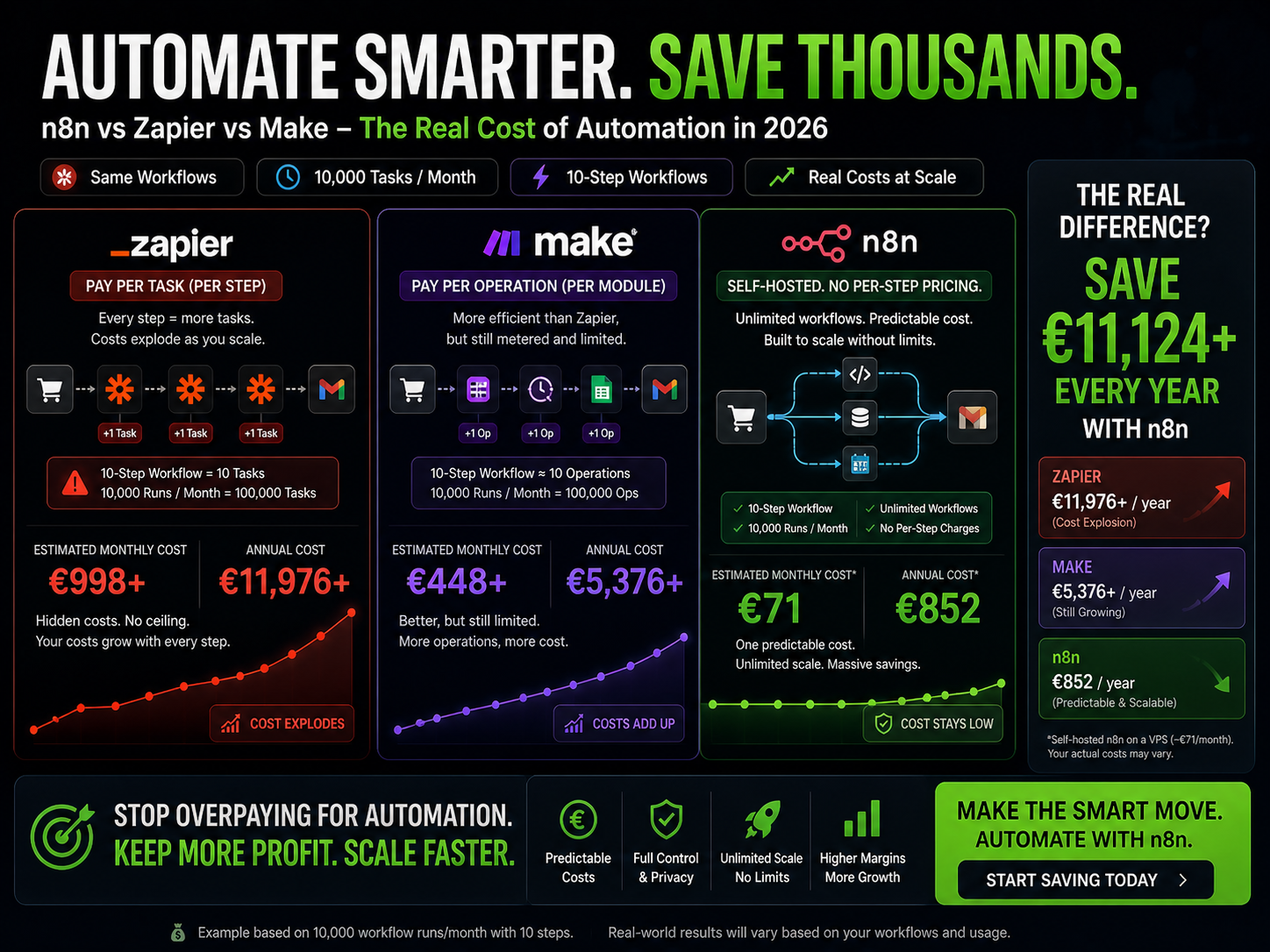
When evaluating automation platforms, most founders hit the same wall: Zapier's per-task pricing becomes punishing the moment you scale, and Make's complexity can slow down small teams without dedicated technical resources.
n8n takes a different approach. Self-hosted deployment means your data stays in your infrastructure, critical for startups handling customer information or operating under compliance requirements. You're not paying per execution, so automating high-volume processes like webhook handling or daily data syncs doesn't suddenly triple your bill. With 400+ native integrations covering everything from Stripe and HubSpot to Slack, Postgres, and custom APIs, you're unlikely to hit a wall when connecting your stack.
For a typical early-stage startup running 50,000+ automation tasks per month, n8n's cost advantage over Zapier often reaches 70-80%. That's runway you keep.
The platform is also genuinely flexible. You can build simple two-step workflows or complex branching logic with conditional paths, loops, and custom JavaScript, all without needing to hire an automation specialist.
The Bottom Line
Workflow automation isn't a luxury reserved for well-funded teams. It's how lean startups compete at scale. The founders who automate thoughtfully, starting with high-pain processes and expanding from proven wins, consistently outpace peers who rely on manual operations longer than they should.
Ready to build your first workflow? Explore practical guides, templates, and implementation walkthroughs built specifically for SaaS teams at N8Nme.com. Your future automated self will thank you.